

 TŁUMACZ


Home page Dr hab. Sebastian Skalski-Bednarz, prof. ucz., na Euro-Asian Scientific Congress on Mental Health w Gdańsku
- POLSKIE DNI MONTESSORI 2025_INFORMATOR
- Seminarium Naukowe "Sztuka i jej funkcja poznawcza w kulturze"
- Instytut Filozofii Informuje
- Konferencja: "Ksiądz Czesław Drążek SJ – Charyzmatyczny kapłan, duszpasterz, wychowawca, postulator, redaktor i naukowiec"
- Wykłady otwarte 2025/2026
- Instytut Filozofii Informuje
- Faculty of Philosophy
- I Turniej Szachowy o Puchar Rektora AIK
- Instytut Filozofii Informuje
- Families across time and cultures: literary representations in british, polish and turkish contexts
- Światowy Dzień Filozofii 2025
- Imstytut
- Instytut Filozofii Informuje
- University
- Kierunek: Pedagogika przedszkolna i wczesnoszkolna NCBiR
- Instytut Filozofii Informuje
- Instytut Filozofii informuje
- Instrukcja włączenia logowania dwuetapowego (MFA)
- Społeczna Odpowiedzialność Uczelni
- Instytut Filozofii Informuje
- Konferencja " "Quo vadit dziennikarstwo ery AI?"
- Dzień Kultur i Mediów
- Rodacy
- Konferencja naukowa "Demokratyczne utopie i dystopie: perspektywy demokracji w przyszłości w zmieniającym się świecie"
- STUDENT AND ALUMNI ZONE
- Konferencja „Współczesne wyzwania psychosomatyki”
- Instytut Filozofii informuje
- Summer School in Polish Literature & Culture 2026
- Współczesne wyzwania psychosomatyki
- Konferencja "Wokół architektury, architektów i dzieł architektonicznych w kulturze"
- "Wokół architektury, architektów i dzieł architektonicznych w kulturze"
- Instytut Filozofii Informuje - maj 2026
- Strefa Pracownika
- Instytut Filozofii Informuje - czerwiec 2026
- Newsy z Instytutu Filozofii (Wydział Filozoficzny)
- Admission
- Stetson International Environmental Moot Court Europe Round
- Instytut Filozofii Informuje - październik 2026
- Wsparcie w kryzysie
- Pedagogika
- CONTACT
- Treść DEKLARACJI DOSTĘPNOŚCI
- Światowy Dzień Filozofii
- Wzory dokumentów 2
- Bilateral Agreement
- Kadra
- IX Konferencja Psychologii Narracyjnej" Historie, które łączą, historie, które dzielą
- Otwarty Dzień Filozofii
- BIP
- Ogólnopolska Konferencja Naukowa: "Czwarta władza - samorząd terytorialny, media, społeczeństwo obywatelskiej, inne podmioty?"
- III Turniej Szachowy o Puchar Rektora AIK
- Faculty of Education
- 2 International Phenomenological Conference
- Dni adaptacyjne
- Uniwersytet Ignatianum w Krakowie
- Światowy Dzień Filozofii
- INAUGURACJA
- Wykłady otwarte 2023/2024
- Instytut Filozofii informuje
- Biblioteka
- Ogólnopolska Konferencja Naukowa „Śmierć oczami dziecka: żałoba – temat tabu. STOP SAMOBÓJSTWOM”
- Instytut Filozofii
- Instytut Filozofii Informuje
- Jubileuszowa Konferencja Naukowa z okazji wydania 50-tego numeru czasopisma naukowego "Horyzonty Polityki" - Homo politicus et res publica
- Instytut Filozofii Informuje
- Ogólnopolska Konferencja Naukowa "Człowiek – Sztuka – Kultura"
- Persons
- Instytut Filozofii Informuje
- Seminarium “Wokół zatrudniania osób w spektrum autyzmu”
- Międzynarodowa Konferencja Naukowa BARWY I ODCIENIE ŻYCIA - OSOBISTE, EDUKACYJNE, SPOŁECZNE I KULTUROWE PRZESTRZENIE CODZIENNOŚCI
- Instytut Filozofii Informuje
- Konferencja naukowa „Dziennikarstwo w dobie TikToka, Instagrama i X”
- International Conference “Word in Education” 11th Edition FAMILY, SCHOOL AND LOCAL COMMUNITY – EDUCATIONAL PARTNERSHIP
- Ogólnopolska Konferencja Naukowa: „Wyzwania komunikacji międzyludzkiej we współczesnym świecie”
- Instytut Filozofii Informuje
- Interdyscyplinarna Konferencja Góralska „W poszukiwaniu tożsamości”
- Instytut Filozofii Informuje
- Institute of Political Science and Administration
- Institute of Cultural Studies
- Instytut Filozofii Informuje
- Wykłady otwarte 2024/2025
- Światowy Dzień Filozofii 2024
- Instytut Filozofii informuje
- Instytut Filozofii Informuje
- Pakiet Pracowniczy Rodo
- Instytut Filozofii Informuje
- Katedra Kultury Artystycznej
- Instytut Filozofii Informuje
- Arteterapia i Edukacja Artystyczna – obszary wspólne dyscyplin oraz ich indywidualne przestrzenie
- Instytut Filozofii Informuje
- PLIKI PROJEKT IP
- PLIKI DO PODLINKOWANIA_WYDARZENIA
- Pożegnanie Papieża Franciszka
- Mapa strony
- Konferencja Jubileuszowa z okazji X-lecia Instytutu Psychologii Uniwersytetu Ignatianum w Krakowie: "Współczesna psychologia: oblicze akademickie i praktyczne"
- Phen
- Aktualności
- Instytut Filozofii
- Centrum Obsługi Studenta i Doktoranta
- Institute of Cultural Studies
- Institute of Cultural Studies
- Publikacje
- Oriens
- The Institute of Modern Languages
- Stypendia
- Eksperymentalny program kształcenia nauczycieli przedszkoli i edukacji wczesnoszkolnej w Akademii Ignatianum w Krakowie
- SZKOŁA DOKTORSKA AIK
- Przewody doktorskie
- Wsparcie edukatorów wychowania przedszkolnego w zakresie edukacji STEAM
- Badania naukowe
- Contact
- Krakowska Koronka Klockowa
- Szkolenia E-Comarch ERP Optima
- "Muzykalne brzdące w sieci kultury"
- Konferencja "Nowe wyzwania wobec polityki historycznej w trzeciej dekadzie XXI wieku"
- Studenci Arteterapii w Miejscach Pamięci Auschwitz
- Psychology in English – minikonferencja Studentów 3 roku Psychologii
- Oferta edukacyjna Instytutu Kulturoznawstwa i Dziennikarstwa
- Perspektywy etyki chrześcijańskiej w XXI wieku
- Międzynarodowe seminarium naukowe "Wieloaspektowa myśl Edyty Stein: od jej fenomenologicznych źródeł, przez antropologię i filozofię kobiecości, ku teologii (część II)"
- Czym jest audiowizualne Misterium Męki Pańskiej „Dzieci Golgoty”?
- Zdrowie psychiczne młodych – interdyscyplinarne podejście do wsparcia
- Critical Thinking Reserach Lab wkracza do gry!
- Absolwenci roku akademickiego 2023/2024 uprawnieni do umorzenia 50%, 35% lub 20% kredytu studenckiego
- Polskie Dni Montessori w murach Uniwersytetu Ignatianum Krakowie
- Krakowskie media w czasie przełomu lat 80. i 90. XX wieku
- MIĘDZYNARODOWE TARGI KSIĄŻKI 2024 W KRAKOWIE
- Debatowanie z uczniami z JCE Nowy Sącz
- IV Międzynarodowy Kongres Miasta i Filozofii
- Nabór zadań do 9. edycji Budżetu Obywatelskiego Województwa Małopolskiego
- NEREUS
- Bezpieczna edukacja dla wszystkich – międzynarodowa konferencja naukowa Let’s Care
- 17. European Arts Therapies Conference
- Konferencja "Religijne przesłanki rozwoju pedagogiki"
- Seminarium naukowe: Wieloaspektowa myśl Edyty Stein: od jej fenomenologicznych źródeł, przez antropologię i filozofię kobiecości, ku teologii
- Konferencja ISORECEA/COREnet w Tiranie
- Konferencja „Znaczenie komunikacji językowej dla uczestnictwa w różnych obszarach życia (od dzieciństwa do starości)"
- XI edycja Międzynarodowej Konferencja „Słowo w Edukacji” Rodzina, szkoła i społeczność lokalna – partnerstwo edukacyjne
- KidsLab4Sustainability – Konferencja w Mediolanie
- PROF. DR HAB. HALINA GRZYMAŁA-MOSZCZYŃSKA
- DR AGNIESZKA SZEWCZYK-ZAKRZEWSKA
- Superbohater w spódnicy. Odporność psychiczna Ukrainek uciekających przed wojną w Ukrainie do Polski - raport z badań i rekomendacje dla trzeciego sektora
- 1st LET’S CARE REVIEW MEETING W MADRYCIE
- Seminarium „Szacunek dla żywności to szacunek dla człowieka i planety”
- International Visitor Leadership Program (IVLP)
- ks. dr Jerzy Smoleń
- W sercu europejskiego apostolatu intelektualnego
- Uniwersytet Ignatianum i Dzielnica Kreatywna Wesoła – rok współpracy, spotkań i wspólnych działań
- Podróż, sztuka, spotkanie – Uniwersytet Ignatianum na 18. konferencji ECArTE w Puli
- Zmiany w Czasopismach Naukowych Uniwersytetu Ignatianum w Krakowie
- Dr hab. Sebastian Skalski-Bednarz, prof. ucz., na Euro-Asian Scientific Congress on Mental Health w Gdańsku
- Information Package
- Fotoesej
- Małopolska sieć współpracy i samokształcenia dyrektorów poradni psychologiczno-pedagogicznych
- Konferencja Konteksty Kreatywności
- ,,Psychologia i prawo w praktyce resocjalizacyjno - penitencjarnej’’
- Konferencja w Ałmaty poświęcona filozofii religii
- Dołącz do załogi Kapitalnej przygody z finansami!
- Etyczno-antropologiczne i religijne horyzonty fenomenologii Edmund Husserl (część II)
- Aktywizacja działalności Centrum Historii i Rozwoju "Polska-Ukraina"
- O filozofii gier wideo - monografia dr Macieja Jemioła
- STAŻ NAUKOWY PRACOWNIKÓW KATEDRY PEDAGOGIKI I NAUK PSYCHOLOGICZNO-PEDAGOGICZNYCH KIJOWSKIEGO METROPOLITALNEGO UNIWERSYTETU IM. BORYSA GRINCZENKI
- Justice after 80 years? The case of compensation for Italian citizens for damages suffered during World War II.
- Prawo wobec wyzwań zrównoważonego rozwoju
- Prawo wobec wyzwań zrównoważonego rozwoju – międzynarodowa konferencja inaugurująca działalność Zakładu Nauk Prawnych UIK
- Boże Narodzenie 2025
- Sprawozdanie z konferencji naukowej „Tajemnice biografii edukacyjnych. Konteksty źródłowe”, Kraków 1 grudnia 2025 r.
- Anonimowa ankieta
- Finał kampanii Dzieciństwo bez Przemocy
- Konkurs Kulinarny „Studencka Kuchnia bez Marnowania"
- „Profilaktyka logopedyczna w teorii i praktyce” – I Ogólnopolska Logopedyczna Konferencja Naukowa w Uniwersytecie Ignatianum w Krakowie, 24 października 2025 roku
- Wiele twarzy dysocjacji: Meandry diagnozowania i terapii dysocjacyjnego zaburzenia tożsamości
- Dr Maciej Jemioł na konferencji Digital Games Research Association (Malta
- Letni Kurs Reżyserii Teatralnej
- Międzynarodowa Konferencja Naukowa Pedagogów Edukacji Międzykulturowej
- dr Agnieszka Krawczyk
- mgr Anita Duplaga
- dr hab. Anita Stefańska prof. UAM
- Thank you for signing up for the newsletter!
- Instytut Filozofii informuje
- Instytut Filozofii informuje
- Instytut Filozofii informuje
- Instytut Filozofii informuje
- Instytut Filozofii informuje
- Instytut Filozofii informuje
- Info from Kircher Network
- Sylwetka absolwenta
- Info from Kircher Network
- Instytut Filozofii informuje
- Współczesne kontrowersje etyczno-społeczne wokół początków życia ludzkiego
- Instytut Filozofii informuje
- mgr Anna Szymanowska
- Pielgrzymka na Via de la Plata
- mgr Jolanta Gisman-Stoch
- dr. hab. Klaudia Węc prof. AIK
- mgr Magda Studnicka
- mgr Tomasz Kuta
- mgr Agnieszka Łuciuk- Wojczuk
- mgr Danuta Pietraszewska
- dr hab. Beata Bigaj-Zwonek prof. AIK
- dr hab. Wita Szulc prof. UZ
- Prof. zw. dr hab. Marek Jerzy Konopczyński
- mgr Małgorzata Alberska
- mgr Anna Tuchowska-Chmura
- mgr Ireneusz Lesicki
- mgr Joanna Sztuka
- Instytut Filozofii informuje
- Podsumowanie cyklu spotkań Koła Naukowego "Administrare" pt: "Kulisy projektu III RP"
- dr Tomasz Grzegorek
- VII edycja Nagrody Prezydenta m.st. Warszawy za prace magisterskie i rozprawy doktorskie!
- dr Lech Popiołek
- Prof. dr hab. Stanisław Głaz SJ
- mgr Anna Schab-Przybycień
- dr Łukasz Michalczyk
- dr Krzysztof Nowakowski
- dr Agnieszka Krzysztof-Świderska
- Zakład Arteterapii i Edukacji Artystycznej – nowa jednostka UIK i pierwsze działania w ramach struktury
- Rekrutacja na wyjazdy krótkoterminowe dla projektu: 2023-1-PL01-KA131-HED-000144133 ramach programu Erasmus+
- dr inż. Michał Szanduła
- dr Dariusz Zdziech
- Jubileusz prof. dr. hab. Józefa Bremera SJ
- Instytut Filozofii informuje
- Sprawozdanie z Konferencji Naukowej „Teoria i praktyka pedeutologiczna w XX wieku” – Kraków, 21.04.2023 r.
- dr hab. Marek Hałaburda
- Paczuszka dla maluszka
- Instytut informuje
- V edycja studenckiej konferencji pt. "Logopedia młodych”
- Instytut Filozofii informuje
- Międzynarodowa konferencja "Transformations: Time in Culture, Literature and Language"
- Instytut Filozofii infirmuje
- Instytut Filozofii informuje
- „Opisać skórę oceanu… Mozaiki pamięci Adama Zagajewskiego"
- Aktualności Centrum
- dr Maria Szcześniak
- Instytut Filozofii infor,muje
- Nabór zadań do 10. edycji Budżetu Obywatelskiego Województwa Małopolskiego
- Zdarzenia
- Wydarzenia
- Mgr Mateusz Kofin
- Rusza projekt "Popularyzacja chrześcijańskiego kapitału etycznego"
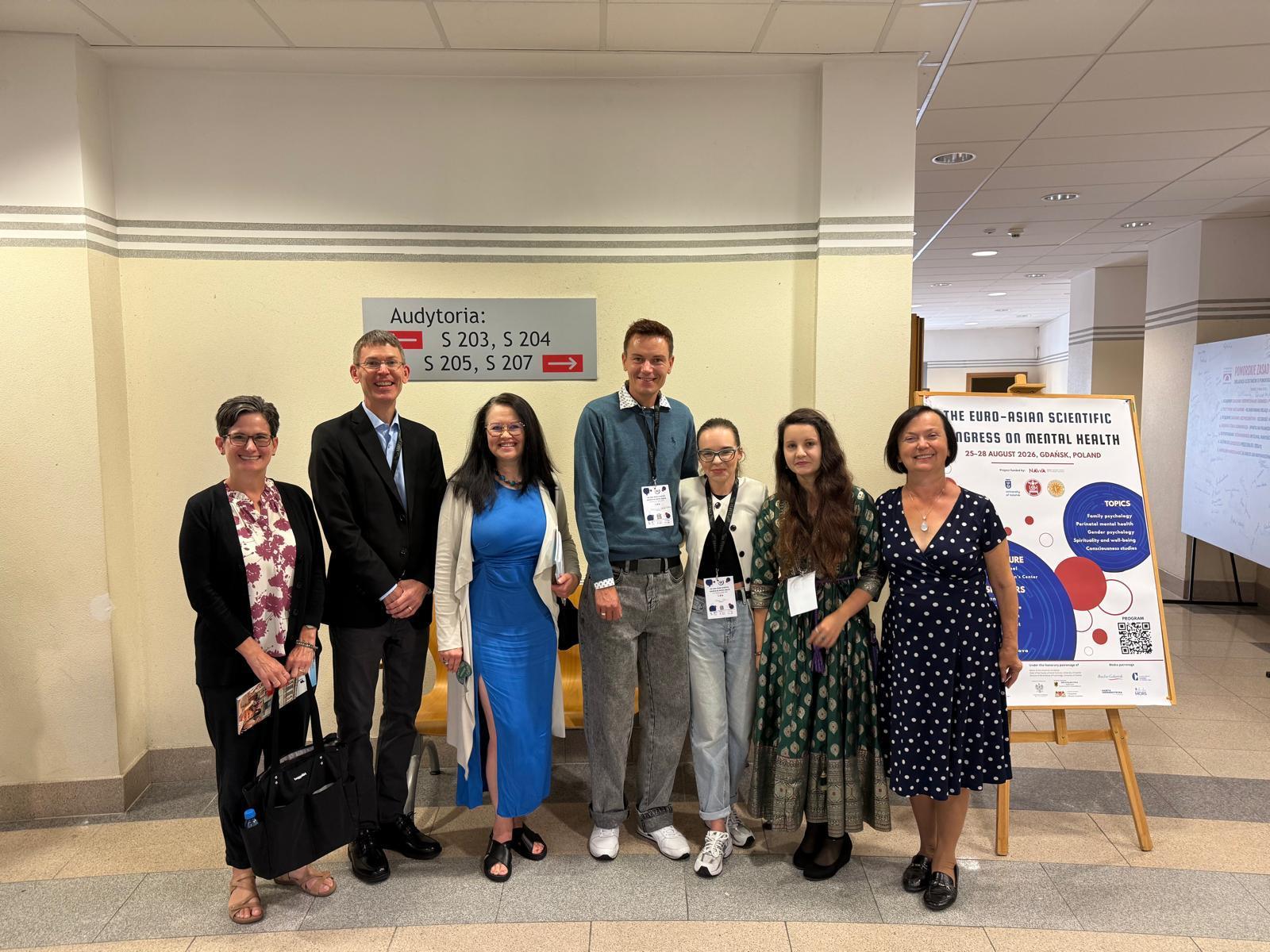
Dr hab. Sebastian Skalski-Bednarz, prof. ucz., na Euro-Asian Scientific Congress on Mental Health w Gdańsku

W dniach 25–28 sierpnia 2026 r. dr hab. Sebastian Skalski-Bednarz, prof. ucz. z Instytutu Psychologii, uczestniczył w Euro-Asian Scientific Congress on Mental Health, zorganizowanym na Wydziale Nauk Społecznych Uniwersytetu Gdańskiego w ramach programu Partnerstwa Strategiczne NAWA „Applied Social Psychology in an Intercultural Context: Synergies of UG with Vietnam” (ASPIC).
Kongres zgromadził badaczy i praktyków z Europy, Azji i Ameryki Północnej, a jego głównym tematem były kulturowe uwarunkowania zdrowia psychicznego. W programie znalazły się m.in. zagadnienia dotyczące dobrostanu, duchowości, relacji rodzinnych, neuroróżnorodności, psychologii perinatalnej oraz badań nad świadomością.
Podczas sesji „The Bright and Dark Sides of Spirituality in Mental Health” dr hab. Skalski-Bednarz wraz z mgr Patrycją Uram z Instytutu Psychologii PAN zaprezentował wystąpienie pt. “Age and Forgiveness: Religiousness Predicts Trait Forgiveness in Older Adults, Whereas Spirituality Is Linked to Well-Being Through State Forgiveness Across Age Groups”. Badania obejmujące łącznie 1688 uczestników dotyczyły różnic międzypokoleniowych w związkach religijności, duchowości i tożsamości moralnej z przebaczeniem oraz dobrostanem. Wyniki wskazały m.in., że religijność przewidywała dyspozycyjne przebaczenie wyłącznie wśród osób starszych, podczas gdy duchowość była związana z dobrostanem poprzez przebaczenie konkretnego przewinienia niezależnie od grupy wiekowej.
Sesji przewodniczyły prof. Tran Thu Huong (University of Social Sciences and Humanities, Vietnam National University) oraz dr Edyta Charzyńska (Uniwersytet Jagielloński).
Abstract
Background: Although religiousness and spirituality (R/S) have been shown to shape forgiveness, their roles may vary across generations in the context of increasing secularization among emerging adults. Methodology: This study examines these associations, extending them to include moral identity, in Polish Catholic samples of young (20–29) and older (60+) participants. Study 1 (N = 963) tested age differences in predictors of trait forgiveness, and Study 2 (N = 725) examined state forgiveness as a mediator of well-being. Results: In regression analyses, with a significant interaction effect of religiousness and age, religiousness predicted trait forgiveness only in older participants, whereas spirituality and moral identity were significant predictors in young adults. In mediation analyses, despite persistent age differences in the religiousness–forgiveness link, only spirituality showed an indirect effect on well-being via state forgiveness, while moral identity was directly associated with well-being. No age-moderated mediation effect was observed. Conclusions: Our findings suggest that, amid increasing orientation toward more individualized expressions of faith, moral identity may reflect a general sense of obligation to forgive, whereas spirituality appears more consistently associated with responses to specific transgressions through meaning-making processes independent of institutional religious practice.
.jpeg)
Fot. Archiwum prywatne dr hab. Sebastian Skalski-Bednarz, prof. ucz.